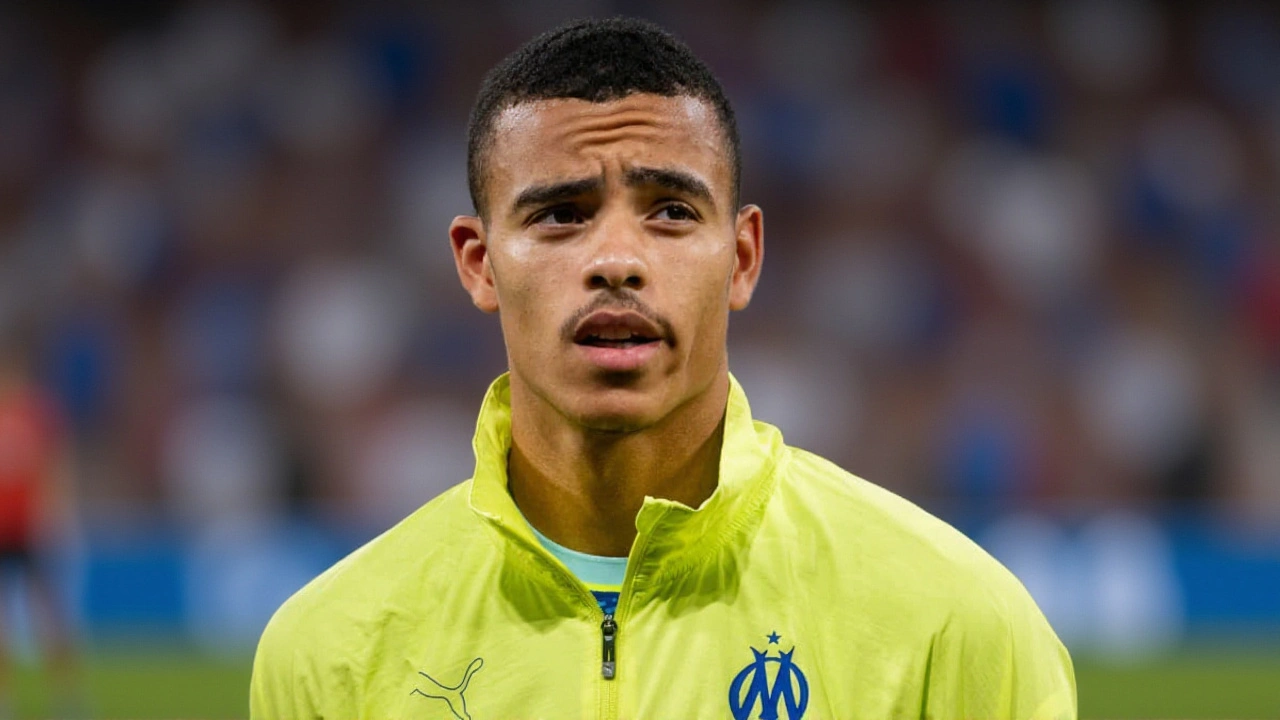
When Olympique de Marseille president Pablo Longoria stood at the podium on Tuesday, November 18, 2025, he didn’t just confirm a transfer—he revealed a financial ghost haunting Manchester United’s balance sheet. Despite Mason Greenwood playing every minute of his 29 Ligue 1 appearances for Marseille this season, the English forward’s economic rights remain split between two clubs. And that split? It’s about to change—again.
The Deal That Wouldn’t Die
Greenwood’s exit from Manchester United in 2024 wasn’t a clean break. After being suspended in January 2022 amid off-field allegations, the 23-year-old forward never played for the Red Devils again. His last appearance? 129 senior games across all competitions, dating back to his debut in 2018. Instead of a straightforward sale, United opted for a complex economic rights structure: 50% ownership retained, even as Greenwood was loaned to Club Getafe S.A.D. in Spain during the 2024-2025 season. That loan ended June 30, 2025. Two weeks later, on July 15, 2025, he signed permanently with Marseille. But here’s the twist: Marseille didn’t buy Greenwood outright. They bought half of him. Longoria was blunt: "We purchased 50% of the player's economic rights, representing his entire value. This was the only way to make an offer that was higher than those made by other clubs to Manchester United."Champions League Changed Everything
Then came May 26, 2025. Marseille finished fourth in Ligue 1 with 68 points, qualifying for the Union of European Football Associations (UEFA) Champions LeagueMarseille. That triggered a clause buried in the contract: Marseille must now purchase an additional 10% of Greenwood’s economic rights by August 31, 2025. The result? Manchester United’s stake drops from 50% to 40%. Marseille’s rises to 60%. The financial implications? Unknown. Neither Centre Devils nor GiveMeSport have disclosed the exact sum Marseille will pay United for that extra 10%. But sources close to the deal suggest it’s in the range of €8–12 million—a significant windfall for United, who haven’t seen Greenwood on the pitch in over three years.What Does "40%" Actually Mean?
This is where it gets messy. Longoria admitted the contract’s language is ambiguous: "It is not yet clear whether United will retain 40% of Greenwood's future value or only a share of any future profit." That’s not just legal jargon—it’s a potential time bomb. If Greenwood is sold for €100 million in 2027, does United get €40 million outright? Or only 40% of the profit above his €45 million valuation at the time of the 2025 transfer? The difference? Millions. And it’s the kind of ambiguity that could spark arbitration later.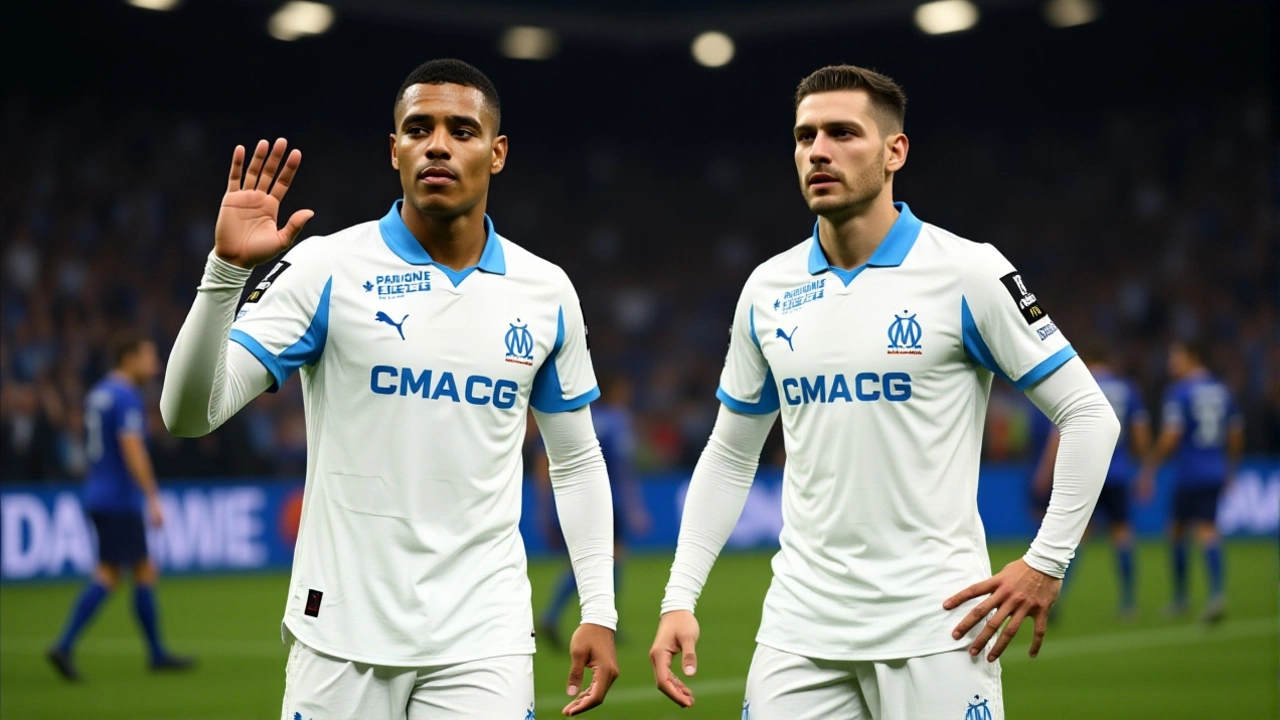
Greenwood’s Reality: Goals, Homesickness, and a Release Clause
On the pitch, Greenwood has been a revelation. 14 goals, 7 assists in 29 appearances. He’s Marseille’s most dangerous attacker. Off it? He’s struggling. Multiple anonymous sources told Centre Devils the 23-year-old misses home—specifically his family in Bradford, West Yorkshire. He’s living in the Hôtel de Marseille residence, but the loneliness is real. And now, a bombshell: Marseille reportedly set a €85 million release clause in his contract. If that clause is activated—likely in January 2026, during the mid-season window—Greenwood could be back in the Premier League. Manchester United, despite their 40% stake, have no say in whether he leaves. Only the money matters.The Ripple Effect
This isn’t just about one player. It’s a blueprint for how clubs now handle damaged assets. Manchester United, desperate to offload Greenwood’s media toxicity, turned a liability into a long-term revenue stream. Marseille, with their financial discipline, turned a partial stake into a potential Champions League asset. And Greenwood? He’s caught in the middle. Other clubs are watching closely. If United recoups €30 million+ from Greenwood’s transfer without ever playing him again, expect more clubs to replicate this model. Players with reputational risk? Sell 50% now. Retain 40% for future windfalls. Let the buyer deal with the fallout.
What’s Next?
By September 1, 2025, United will receive their payment for the 10% stake increase. But the real drama begins in January 2026. Will a Premier League club trigger the €85 million clause? Will United, still holding 40%, demand a cut? And will Greenwood, now a star in Marseille, ever want to return to Old Trafford? The answer to all three? Unclear. But one thing’s certain: this deal isn’t over. It’s just getting started.Frequently Asked Questions
Why does Manchester United still own part of Mason Greenwood after he left the club?
Manchester United retained 50% of Greenwood’s economic rights as part of his 2025 permanent transfer to Olympique de Marseille to secure a higher upfront payment. This structure allows United to profit from future sales without needing to manage the player’s off-field issues. The stake was later reduced to 40% after Marseille qualified for the Champions League, triggering a mandatory 10% purchase.
How much money will Manchester United receive from the additional 10% stake?
The exact amount hasn’t been disclosed, but sources estimate it’s between €8 million and €12 million. This payment, due before September 1, 2025, compensates United for the increased ownership stake triggered by Marseille’s 2025 Champions League qualification. The figure is tied to Greenwood’s market value at the time of the original transfer, not his current performance.
Can Mason Greenwood force a move back to England in January 2026?
Yes—if a club pays Marseille’s reported €85 million release clause, Greenwood can leave regardless of United’s ownership stake. Marseille holds operational control under French regulations, meaning they can accept offers. United has no veto power, but they would receive 40% of the transfer fee, assuming the contract defines their share as a percentage of the total fee, not just profit.
What happens if Mason Greenwood is sold for €150 million in 2028?
If Manchester United’s 40% stake applies to the full transfer fee, they’d receive €60 million. But if it’s only 40% of the profit above his €45 million valuation, United gets roughly €42 million. The contract’s ambiguity means this could lead to legal disputes. Marseille’s legal team is reportedly reviewing the wording to avoid future conflicts.
Why didn’t Manchester United sell Greenwood outright in 2024?
Selling him outright would have meant accepting a lower price due to his damaged reputation and lack of playing time. By retaining 40–50% of his economic rights, United turned a potential fire sale into a long-term asset. Even if he never plays for them again, they still profit from his success elsewhere—a strategy now being studied by other clubs managing controversial players.
Is this kind of partial ownership common in football?
It’s rare for a player of Greenwood’s profile, but economic rights sharing is standard in Latin America and increasingly used in Europe for high-risk, high-reward transfers. Clubs like PSG and Barcelona have used similar structures for young talents. What’s unusual here is the scale: a Premier League giant retaining ownership of a 23-year-old star who’s no longer on their roster. This could set a new precedent.